
Introduction
Feeding a growing global population is one of the biggest challenges farmers face today. Land is limited, climate patterns are unpredictable, and input costs keep rising. In this environment, knowing how to improve crop yield with technology is no longer optional. It is essential.
Modern farming is shifting from traditional guesswork to data-driven decision-making. Technology helps farmers grow more food using fewer resources while protecting soil health and reducing waste. From smart sensors to artificial intelligence, innovation is transforming fields into connected, efficient systems.
This guide explains how agricultural technology is improving crop yield, with real-world examples, practical insights, and clear explanations you can apply today.
Why Technology Matters in Crop Production
Crop yield depends on timing, precision, and understanding the land. Traditional methods rely heavily on experience, which remains valuable, but technology adds accuracy and consistency.
Technology improves crop yield by:
- Reducing human error
- Optimizing water and fertilizer use
- Detecting problems early
- Improving planting and harvesting efficiency
As margins shrink and risks increase, technology helps farmers stay productive and profitable.
Precision Agriculture: The Foundation of Modern Yield Improvement
What Precision Agriculture Really Means
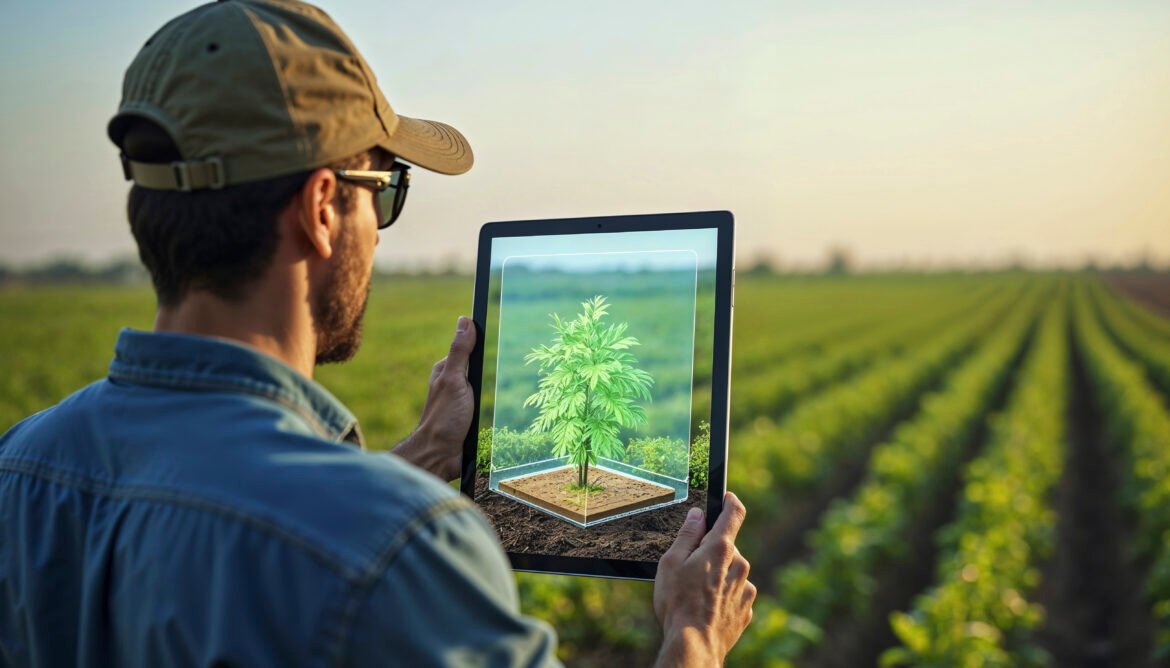
Precision agriculture uses data to manage crops at a very detailed level. Instead of treating an entire field the same way, farmers adjust inputs based on specific conditions within different areas.
This approach relies on tools that measure soil health, moisture levels, nutrient availability, and crop growth in real time.
How Precision Agriculture Improves Yield
Precision methods help farmers:
- Apply fertilizers only where needed
- Avoid overwatering or underwatering
- Reduce crop stress
- Improve uniform crop growth
For example, a corn farmer using precision technology may discover that one section of a field needs less nitrogen than another. Adjusting fertilizer rates increases yield while lowering costs.
Smart Sensors and Internet of Things in Agriculture
Real-Time Field Monitoring
Smart sensors placed in fields collect continuous data about soil moisture, temperature, humidity, and nutrient levels. This data is transmitted to mobile devices or dashboards farmers can access instantly.
Benefits include:
- Faster response to changing conditions
- Improved irrigation scheduling
- Early detection of stress factors
Instead of guessing when to water, farmers know exactly when crops need moisture.
Weather and Climate Adaptation
Weather sensors and forecasting tools help farmers prepare for extreme conditions. Technology provides early warnings for frost, heatwaves, or heavy rainfall, allowing farmers to take preventive action.
This reduces crop losses and improves overall yield stability.
Drones and Aerial Imaging for Crop Health
Seeing What the Eye Cannot
Drones equipped with advanced cameras capture detailed images of crops from above. These images reveal problems invisible from the ground.
Drones help identify:
- Pest infestations
- Disease outbreaks
- Nutrient deficiencies
- Uneven plant growth
By spotting issues early, farmers can treat specific areas instead of entire fields.
Targeted Treatment Saves Crops
Using drone data, farmers apply pesticides or fertilizers only where needed. This targeted approach protects healthy plants and prevents yield loss while reducing chemical use.
Artificial Intelligence and Data Analytics
Turning Data Into Action
Artificial intelligence analyzes massive amounts of farm data and turns it into practical recommendations. AI systems learn from patterns and improve predictions over time.
AI supports farmers by:
- Predicting optimal planting dates
- Estimating yield potential
- Recommending input adjustments
- Identifying disease risks early
This reduces uncertainty and improves decision-making throughout the growing season.
Yield Forecasting Improves Planning
Accurate yield predictions help farmers plan storage, labor, and sales. Knowing what to expect allows better financial management and reduces post-harvest losses.
Smart Irrigation Systems
Water Efficiency Boosts Crop Yield
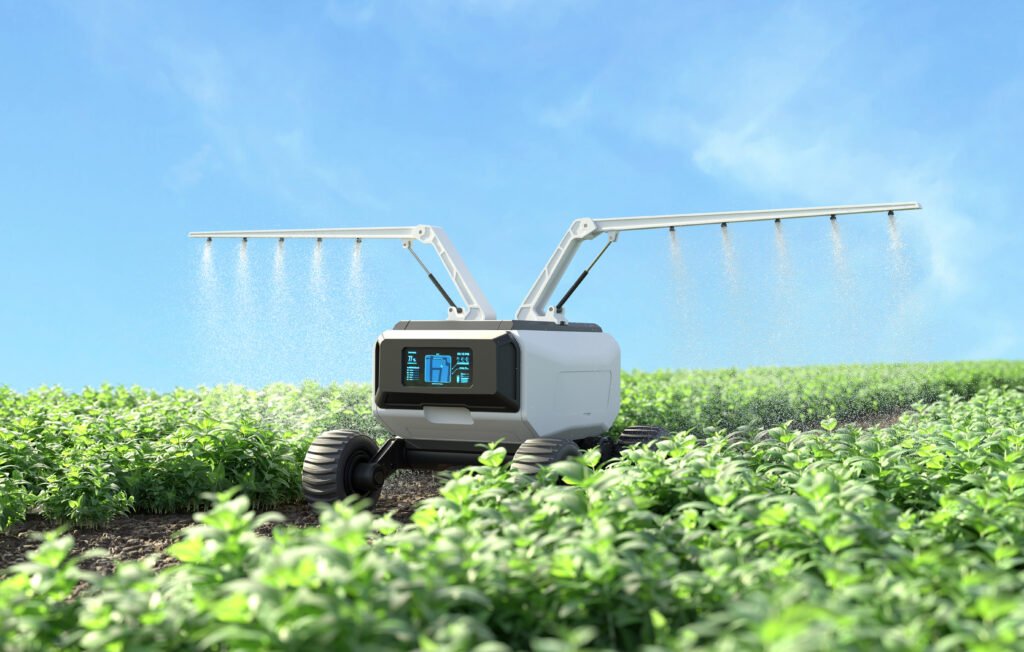
Water is one of the most critical factors in crop growth. Smart irrigation systems use sensors and automated controls to deliver the right amount of water at the right time.
These systems:
- Prevent water stress
- Reduce evaporation losses
- Improve root development
Studies show that smart irrigation can increase yields while cutting water use significantly.
Drip and Automated Irrigation
Drip irrigation combined with automation ensures water reaches plant roots directly. This method improves nutrient uptake and supports healthier crops.
Improved Seeds and Biotechnology
Technology-Enhanced Seeds
Advancements in seed technology have produced crops that are more resistant to pests, diseases, and environmental stress.
Benefits include:
- Higher germination rates
- Improved drought tolerance
- Better resistance to common diseases
These improvements lead to more consistent yields even under challenging conditions.
Data-Driven Crop Selection
Technology helps farmers choose the best crop varieties for their soil and climate. Historical data and predictive models guide smarter planting decisions.
Farm Management Software and Digital Tools
Centralized Farm Control
Farm management platforms bring all data into one place. Farmers can track planting schedules, input usage, equipment performance, and crop progress.
This improves organization and accountability while reducing costly mistakes.
Real-Life Example of Digital Farming
A mid-sized vegetable farm using farm management software reduced fertilizer waste and increased yield by monitoring crop performance daily. The system highlighted inefficiencies that were previously overlooked.
Robotics and Automation in the Field
Automated Planting and Harvesting
Robotic machinery improves accuracy during planting and harvesting. Consistent spacing and depth lead to healthier plants and higher yields.
Automation also helps address labor shortages and ensures timely operations.
Weeding and Pest Control Robots
Robotic weeders reduce competition for nutrients without damaging crops. This improves yield while lowering chemical dependence.
Data-Backed Sustainability Improves Long-Term Yield
Soil Health Monitoring
Healthy soil produces better crops. Technology tracks organic matter, pH levels, and nutrient balance over time.
Maintaining soil health:
- Improves water retention
- Enhances nutrient availability
- Supports beneficial microorganisms
Long-term yield improvement depends on sustainable soil management.
Reducing Environmental Impact
Technology-driven farming uses fewer inputs and produces less waste. Sustainable practices protect land for future generations while maintaining productivity.
Challenges in Adopting Agricultural Technology
While technology offers many benefits, adoption comes with challenges.
Common barriers include:
- Initial investment costs
- Limited technical knowledge
- Connectivity issues in rural areas
Training programs, government support, and user-friendly tools are helping overcome these obstacles.
The Future of Crop Yield Improvement
The future of agriculture lies in smarter systems that combine multiple technologies. Integrated platforms will connect sensors, AI, machinery, and farm management tools into seamless ecosystems.
Farmers who embrace technology early gain a competitive advantage and greater resilience against climate and market changes.
Conclusion: Taking the Next Step Toward Higher Yields
Understanding how to improve crop yield with technology empowers farmers to grow more with less. From precision agriculture to AI-driven insights, technology transforms farming into a smarter, more sustainable practice.
Whether you manage a small farm or a large operation, adopting the right tools can increase productivity, reduce waste, and protect your land for the future.
Start by evaluating your current challenges, explore available technologies, and take the first step toward data-driven farming that delivers stronger yields season after season.
Frequently Asked Questions
How does technology improve crop yield?
Technology improves crop yield by optimizing water, fertilizer, and pest management while enabling early problem detection and precise decision-making.
Is agricultural technology suitable for small farms?
Yes. Many tools are scalable and affordable, making them accessible to small and medium-sized farms.
Which technology has the biggest impact on crop yield?
Precision agriculture, smart irrigation, and data analytics have the most direct and measurable impact on yield improvement.
Does technology replace traditional farming knowledge?
No. Technology complements experience and enhances decision-making rather than replacing farmer expertise.
Can technology help with climate-related crop losses?
Yes. Weather monitoring, predictive analytics, and adaptive systems help farmers respond to climate risks more effectively.