
Introduction
Behind every working machine, smart device, and industrial system, there is more than just an idea. There is practical execution. Engineering technology exists at this exact point where theory becomes reality. It focuses on applying engineering principles to solve real-world problems efficiently and safely.
Many people confuse engineering technology with engineering, but they are not the same. While engineers often design and plan, engineering technologists focus on implementation, operation, testing, and improvement. This field quietly supports industries like manufacturing, construction, energy, healthcare, and information technology.
This article explains what engineering technology is, how it differs from engineering, where it is used, and why it is critical in today’s fast-moving world.
What Is Engineering Technology
Engineering technology is a field that applies scientific and engineering knowledge to practical situations. It focuses on hands-on work, system operation, equipment maintenance, testing, and process improvement.
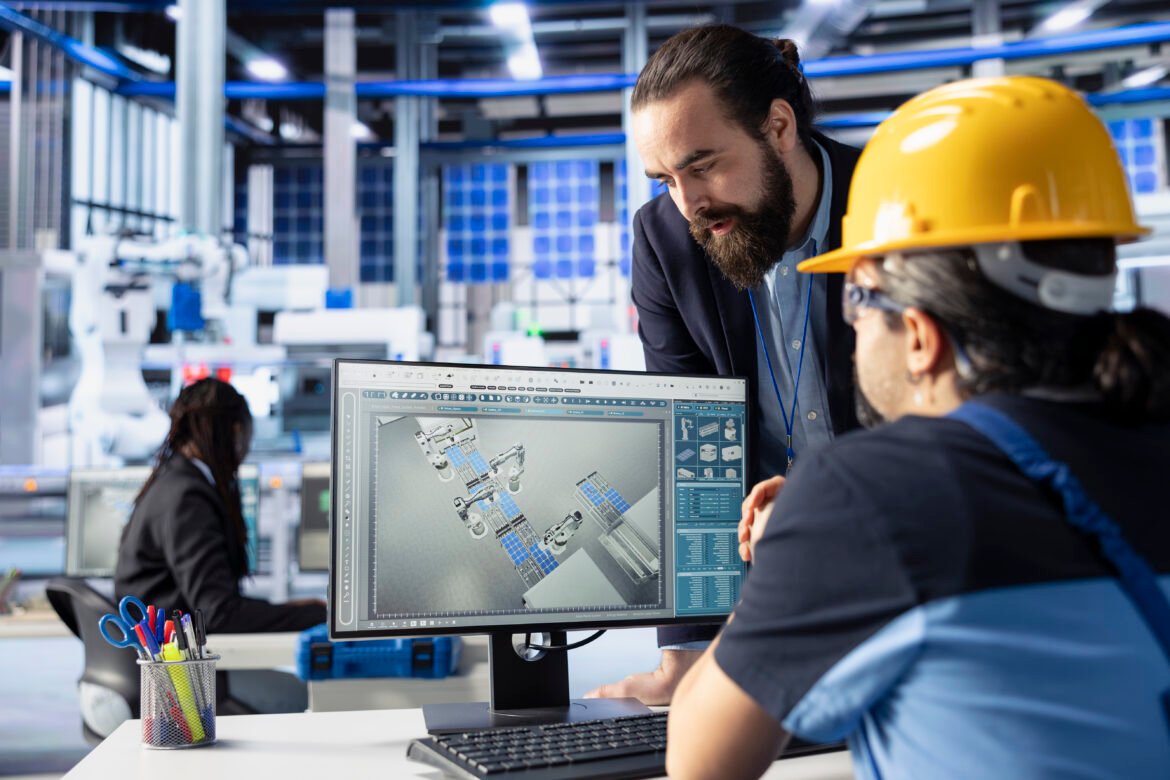
Instead of spending most of their time on advanced theory, engineering technologists work directly with machines, tools, software, and systems. They help turn engineering designs into working products and services.
Engineering technology bridges the gap between engineering concepts and real-world application. Without it, many designs would never move beyond drawings and simulations.
Engineering Technology vs Engineering
Although closely related, engineering and engineering technology have different roles and approaches.
Engineering focuses more on theory, design, and innovation. Engineers often create new systems, models, and solutions based on scientific principles.
Engineering technology focuses more on application, implementation, and optimization. Technologists ensure systems work correctly, efficiently, and safely in real conditions.
Both roles are essential and often work together in the same projects.
Key Differences in Simple Terms
- Engineers design and analyze systems
- Engineering technologists apply and operate systems
- Engineers focus on theory and calculations
- Technologists focus on hands-on problem-solving
Core Areas of Engineering Technology
Engineering technology covers many specialized fields, each supporting specific industries.
Mechanical engineering technology focuses on machines, manufacturing processes, and mechanical systems. Electrical engineering technology deals with circuits, power systems, and electronic equipment. Civil engineering technology supports construction projects, materials testing, and infrastructure maintenance.
Other important areas include industrial engineering technology, information engineering technology, and biomedical engineering technology.
Each area emphasizes practical skills and real-world system performance.
What Do Engineering Technologists Do
Engineering technologists perform tasks that keep industries running smoothly. Their work is practical, technical, and detail-oriented.
They install equipment, run tests, monitor system performance, troubleshoot issues, and improve efficiency. They also assist engineers during design validation and implementation phases.
In many industries, technologists are the first to identify problems and suggest practical improvements.
Common Responsibilities
- Operating and maintaining equipment
- Testing systems and components
- Analyzing performance data
- Troubleshooting technical issues
- Supporting engineering teams
- Ensuring safety and quality standards
Real-Life Examples of Engineering Technology
Engineering technology is present in everyday life, often unnoticed.
In manufacturing plants, technologists operate automated machines, monitor production lines, and reduce waste. In hospitals, biomedical engineering technologists maintain medical equipment like MRI machines and ventilators.
In construction, civil engineering technologists inspect materials, oversee site operations, and ensure structures meet safety standards. In IT environments, technologists manage networks, hardware systems, and technical infrastructure.
These roles ensure systems work reliably in real-world conditions.
Education in Engineering Technology
Engineering technology programs focus on applied learning. Students spend more time in labs, workshops, and real-world simulations than in purely theoretical study.
Programs are available at diploma, associate, and bachelor levels. Coursework includes technical mathematics, applied physics, system design, instrumentation, and industry-specific tools.
Graduates are job-ready and skilled in practical problem-solving.
Skills Required for Engineering Technology
Success in engineering technology requires a blend of technical and soft skills.
Strong analytical thinking helps technologists diagnose problems. Hands-on skills allow them to work confidently with tools and systems. Communication skills are important for teamwork and reporting.
Adaptability is also essential, as technology evolves rapidly.
Essential Skills
- Technical problem-solving
- Equipment operation and maintenance
- Data interpretation
- Attention to detail
- Team collaboration
- Safety awareness
Career Opportunities in Engineering Technology
Engineering technology offers stable and diverse career paths. Graduates find opportunities across multiple industries.
Common job roles include engineering technologist, technical specialist, quality control analyst, maintenance supervisor, and systems technician.
According to industry reports, demand for skilled technologists remains strong due to automation, infrastructure development, and technological advancement.
Engineering Technology in Modern Industries
Modern industries rely heavily on engineering technology to stay competitive.
In renewable energy, technologists maintain solar panels and wind turbines. In automotive manufacturing, they manage robotics and production systems. In telecommunications, they support network infrastructure and hardware deployment.
As industries grow more complex, the role of engineering technology becomes even more critical.
Challenges in Engineering Technology
Like any technical field, engineering technology has challenges.
Technologists must keep up with rapidly changing tools and systems. Work environments can be physically demanding. Precision and safety are critical, leaving little room for error.
However, these challenges also make the field rewarding for those who enjoy practical problem-solving.
The Future of Engineering Technology
The future of engineering technology looks strong. Automation, artificial intelligence, and smart systems are increasing demand for skilled technologists who can operate and maintain advanced equipment.
Sustainable development, smart cities, and digital manufacturing will further expand opportunities. Engineering technology will continue to play a central role in turning innovation into reality.

Conclusion
Engineering technology is the backbone of modern industry. It transforms engineering ideas into working systems that power factories, hospitals, infrastructure, and digital networks.
By focusing on practical application, engineering technology ensures efficiency, safety, and reliability in real-world environments. As technology continues to evolve, the need for skilled engineering technologists will only grow.
If you’re interested in hands-on problem-solving and real-world impact, engineering technology offers a meaningful and future-ready career path. Explore learning opportunities today and become part of the force that turns ideas into action.
Frequently Asked Questions
What is engineering technology in simple words
Engineering technology is the practical application of engineering knowledge to operate, maintain, and improve real-world systems and equipment.
Is engineering technology a good career
Yes, it offers stable job opportunities, hands-on work, and demand across many industries.
What is the difference between engineering and engineering technology
Engineering focuses on design and theory, while engineering technology focuses on application and implementation.
Can engineering technologists become engineers
In some cases, with additional education and certification, technologists can transition into engineering roles.
Which industries use engineering technology
Manufacturing, construction, healthcare, energy, IT, automotive, and telecommunications all rely on engineering technology.