

Introduction
Healthcare is no longer limited to hospitals and clinics. Today, living rooms, bedrooms, and kitchens are becoming places of care. This shift is not accidental. Future healthcare technology is elevating at-home care in ways that were once hard to imagine. From remote patient monitoring to AI-powered diagnostics, technology is reshaping how care is delivered, experienced, and managed at home.
Patients want comfort, convenience, and control. Healthcare systems want efficiency and better outcomes. Technology is the bridge connecting both goals. As innovation accelerates, at-home care is becoming safer, smarter, and more personal than ever before.
The Growing Demand for At-Home Healthcare
Several forces are pushing healthcare beyond traditional settings. Aging populations, rising chronic conditions, and strained hospital systems have made home-based care a practical necessity rather than a luxury.
Data from global health organizations shows that home healthcare services are growing faster than many hospital-based services. Patients recover faster at home, experience fewer infections, and report higher satisfaction.
Future healthcare technology supports this demand by making home environments clinically reliable and connected to medical professionals in real time.
How Future Healthcare Technology Is Redefining At-Home Care
Smart Medical Devices for Daily Monitoring
Modern medical devices are becoming smaller, smarter, and easier to use. At-home care now includes tools that once required trained staff and hospital equipment.
Examples include:
- Wearable heart monitors that track rhythms continuously
- Smart blood pressure cuffs that sync with mobile apps
- Glucose monitors that provide real-time readings
- Digital thermometers that detect trends, not just numbers
These devices send data directly to healthcare providers, allowing early intervention before conditions worsen.
Remote Patient Monitoring Improves Safety
Remote patient monitoring is one of the most impactful developments in at-home care. Sensors and connected devices collect health data around the clock.
This technology helps with:
- Chronic disease management
- Post-surgery recovery
- Elderly care and fall detection
- Medication adherence tracking
For example, a heart failure patient can be monitored daily without frequent hospital visits. Sudden changes trigger alerts, reducing emergency admissions and improving outcomes.
Artificial Intelligence in Home Healthcare
Smarter Decision-Making With AI
Artificial intelligence is transforming how data from at-home care is analyzed. Instead of waiting for symptoms to become serious, AI detects patterns early.
AI systems can:
- Predict health risks based on patient history
- Flag unusual trends in vital signs
- Assist clinicians with treatment decisions
- Personalize care plans for individual patients
This reduces guesswork and supports more proactive care, especially for patients managing long-term conditions at home.
Virtual Health Assistants
Voice-enabled assistants and chat-based tools are becoming part of daily healthcare routines. These tools help patients understand instructions, manage medications, and stay engaged in their care.
Real-life use cases include:
- Reminders to take medication
- Answers to basic health questions
- Scheduling virtual appointments
- Tracking symptoms through voice input
This support is especially valuable for older adults and patients living alone.
Telehealth as the Foundation of At-Home Care
Virtual Consultations Become the Norm
Telehealth has evolved beyond video calls. Future healthcare technology is making virtual care more immersive and effective.
Patients can now:
- Share real-time health data during appointments
- Upload images and test results instantly
- Receive follow-up care without travel
- Access specialists regardless of location
This improves access for rural communities and reduces wait times for care.
Blending Telehealth With In-Person Support
At-home care does not replace clinicians. It extends their reach. Hybrid care models combine remote monitoring with occasional in-person visits.
This approach:
- Reduces hospital overcrowding
- Lowers healthcare costs
- Improves patient compliance
- Allows providers to focus on complex cases
Technology ensures continuity of care without sacrificing quality.
Robotics and Automation in Home Care
Assistive Robotics for Daily Living
Robotic technology is beginning to support patients at home in practical ways. These tools help individuals maintain independence while reducing caregiver strain.
Common applications include:
- Robotic mobility aids
- Automated medication dispensers
- Smart lifting and transfer devices
- Companion robots for emotional support
These solutions are particularly valuable for aging populations and people with mobility challenges.
Automation Reduces Caregiver Burden
Caregivers often experience burnout. Future healthcare technology helps by automating routine tasks, allowing caregivers to focus on human connection rather than constant supervision.
Automation improves safety, consistency, and peace of mind for families.
Data Security and Trust in At-Home Healthcare
Protecting Patient Information
As healthcare moves into homes, data security becomes critical. Future healthcare technology prioritizes secure data transmission and privacy.
Modern systems use:
- Encrypted communication
- Secure cloud storage
- User authentication protocols
- Compliance with healthcare data regulations
Trust is essential for adoption, and technology providers are investing heavily in security measures.
Transparency Builds Confidence
Patients want to know how their data is used. Clear communication and user-friendly controls empower individuals to manage their health information confidently.
Real-Life Impact of At-Home Healthcare Technology
A patient recovering from surgery can now heal at home while clinicians track vital signs remotely. A diabetic individual receives alerts when blood sugar levels trend dangerously. An elderly person living alone gains peace of mind through fall detection and virtual check-ins.
These are not future concepts. They are happening now, and they are expanding rapidly.
Healthcare systems report fewer readmissions and better long-term outcomes when technology-supported at-home care is used effectively.
Challenges and Limitations to Consider
Despite its benefits, future healthcare technology also faces challenges.
Common concerns include:
- Access to reliable internet
- Digital literacy among older adults
- Initial cost of advanced devices
- Integration with existing healthcare systems
Addressing these barriers is essential for equitable care. Education, infrastructure investment, and user-friendly design play a key role in long-term success.
The Role of Healthcare Professionals
Technology enhances care, but it does not replace human expertise. Clinicians interpret data, make decisions, and provide emotional support that technology cannot replicate.
Future healthcare technology works best when paired with skilled professionals who guide, educate, and advocate for patients.
What the Future Holds for At-Home Care
As innovation continues, at-home care will become more predictive, personalized, and preventive. Homes will function as connected health hubs where care is continuous rather than episodic.
Expect advances in:
- Personalized treatment algorithms
- Advanced biosensors
- Seamless integration across platforms
- Greater patient control over care decisions
The line between home and healthcare facility will continue to blur.
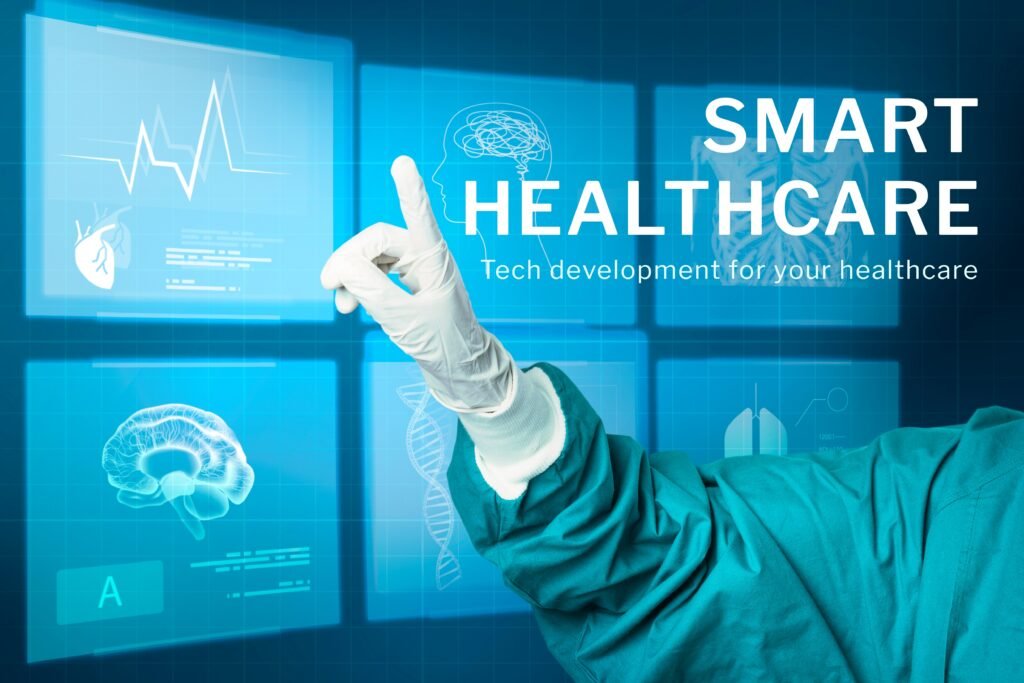
Conclusion: Why This Shift Matters Now
Future healthcare technology is elevating at-home care in powerful and lasting ways. It brings care closer to patients, improves outcomes, and reshapes the healthcare experience into something more personal and responsive.
As technology continues to evolve, patients and providers alike must stay informed and engaged. Whether you are a healthcare professional, caregiver, or patient, understanding these changes helps you make better decisions about care.
Explore your options, ask questions, and embrace the tools that bring quality healthcare home.
Frequently Asked Questions
How is future healthcare technology improving at-home care?
It improves at-home care by enabling remote monitoring, virtual consultations, AI-driven insights, and connected medical devices that support continuous care.
Is at-home healthcare as safe as hospital care?
For many conditions, yes. With proper monitoring and professional oversight, at-home care can be equally safe and often more comfortable.
What types of patients benefit most from at-home care technology?
Patients with chronic conditions, older adults, post-surgery patients, and those with mobility challenges benefit significantly from technology-supported home care.
Does at-home care reduce healthcare costs?
In many cases, yes. It reduces hospital admissions, emergency visits, and travel-related expenses while improving efficiency.
Will technology replace doctors and nurses?
No. Technology supports healthcare professionals by providing better data and tools, but human judgment and care remain essential.